Step by step
5 Steps to Work Out the Elemental Magnesium in Lungora
The most useful number on the Lungora label is not on the label. You can work it out in five steps, with a calculator and no special skill.
Quick answer: Elemental magnesium is the magnesium itself, not the weight of the compound it comes in. Lungora prints 80 mg of it. Magnesium glycinate is about 14.1% magnesium, so that takes about 567 mg of the compound out of a 575 mg blend. About 8 mg is left for five other ingredients.
Do the sums, then read the live terms
The checkout shows today's price and the 60-day return terms. Both matter more once you know what is in the capsule.
Lungoraformula earns a commission when you order through this link. It does not change your price. Questions first? The FAQ page may help.
Step 1: What is elemental magnesium?
Magnesium in a supplement is never alone. It is bound to something else, such as glycinate. The label can state either the weight of the whole compound or the weight of the magnesium inside it. The second one is called elemental magnesium.
Is elemental magnesium the same as magnesium? Yes, in the sense that it is the magnesium. It is not the same as the weight of the compound. A capsule with 567 mg of magnesium glycinate does not contain 567 mg of magnesium. It contains much less, and the Lungora label has chosen to print the smaller, more useful figure: 80 mg.
Key facts
- Elemental magnesium means the magnesium atoms alone, not the whole compound.
- Magnesium glycinate is C4H8MgN2O4, molecular weight about 172.4, of which magnesium is 24.3.
- That makes the pure compound about 14.1% magnesium by weight.
- 80 mg of magnesium needs about 567 mg of the pure compound. The blend is 575 mg.
- The label does not say whether the glycinate is pure or buffered. Buffered forms hold more magnesium by weight.
- The FDA Daily Value is 420 mg. The NIH upper limit for magnesium from supplements is 350 mg for adults.
Step 2: What does the Daily Value tell you?
The panel shows 19% next to the 80 mg. The FDA Daily Value for magnesium is 420 mg. Divide 80 by 420 and you get 0.19, or 19%. The label is right.
The NIH sets a tolerable upper intake level for magnesium from supplements at 350 mg for adults. So 80 mg is well below that ceiling. This is not a high-dose product.
Step 3: How much of magnesium glycinate is magnesium?
Take the chemical formula, C4H8MgN2O4. Its molecular weight is about 172.4. One magnesium atom weighs 24.3 of that total. Divide 24.3 by 172.4 and you get about 0.141, which is 14.1%.
So the pure compound is about 14.1% magnesium by weight. The rest is the glycinate part. You do not need to remember the chemistry. You only need the percentage.
Step 4: How much compound makes 80 mg of magnesium?
Now go backwards. If only 14.1% of the compound is magnesium, you need 80 divided by 0.141 to find the compound's weight. The answer is about 567 mg.
The whole proprietary blend weighs 575 mg. Take away 567 and about 8 mg remains. That 8 mg has to cover alpha lipoic acid, butcher's broom, L-carnitine, turmeric extract and coenzyme Q10 together.
The FDA rule that blend ingredients appear in descending order of weight then caps each one. By that order, alpha lipoic acid is at most 7.5 mg, butcher's broom at most 3.7 mg, L-carnitine at most 2.5 mg, turmeric extract at most 1.9 mg and coenzyme Q10 at most 1.5 mg. These are ceilings and not amounts. The true figures are at or below them.
Step 5: What if the glycinate is not pure?
Here is the honest caveat. The 14.1% figure fits the pure compound. Some products sold as magnesium glycinate are buffered, meaning they are blended with magnesium oxide. That raises the magnesium share and lowers the weight needed. The Lungora label does not say which is used.
So test the sums at several percentages. The table below does that. The result holds across the whole band: the magnesium ingredient is the majority of the blend and the other five are minor. Only how minor changes.
| Magnesium share of the ingredient | Compound needed for 80 mg | Left for the other five | Magnesium ingredient as share of blend |
|---|---|---|---|
| 14.1% (pure) | About 567 mg | About 8 mg | 99% |
| 16% | 500 mg | About 75 mg | 87% |
| 18% | 444 mg | About 131 mg | 77% |
| 20% (top of the plausible range) | 400 mg | About 175 mg | 70% |
How can you use this when you decide?
The sums give you two good questions for the seller. Which magnesium glycinate is used, pure or buffered? And can you see a certificate of analysis, which would report each ingredient's quantity? Neither answer is published.
Also keep the origin of the compound in mind. The sources give the formula but say nothing about how the glycinate is made or where it comes from, so this site says nothing about that.
One more point: nothing in the NIH magnesium pages lists lungs or breathing as a use. The 80 mg is a mineral supplement dose. It is not a lung claim.
Frequently asked questions
What is elemental magnesium?
It is the weight of the magnesium atoms alone, not the weight of the compound they come in. Lungora's label prints 80 mg of it.
Is elemental magnesium the same as magnesium?
It is the magnesium itself. The difference is that a compound's weight includes the other parts, such as glycinate, so it is always larger than the magnesium inside it.
How much magnesium glycinate is in Lungora?
Not printed. If it is the pure compound, about 567 mg of the 575 mg blend. A buffered form would need less.
Is 80 mg of magnesium a lot?
No. It is 19% of the FDA Daily Value of 420 mg, and well under the 350 mg NIH upper limit for supplemental magnesium in adults.
Does magnesium help the lungs?
The NIH magnesium fact sheets cover high blood pressure, type 2 diabetes, osteoporosis and migraine. They do not mention asthma, lungs or breathing.
What is magnesium glycinate made from?
The sources give its chemical formula, C4H8MgN2O4, but not how or from what it is made for this product. That is not published.
Our view
Working it out takes five minutes and changes how the label reads. Lungora is mostly magnesium glycinate, with small amounts of five other ingredients. That is not illegal and it is not hidden. The label even adds "from proprietary blend" when it did not have to, which is what makes the sums possible.
We think a buyer should know this before paying for a product named after an organ. If you take a bisphosphonate, an antibiotic, a diuretic or a long-term acid-reducing medicine, ask your doctor first, because the NIH lists interactions with magnesium for each of them.
Last updated October 16, 2026. Written by the Lungora Editorial Desk and medically reviewed by Dr. Assad Oskuei, MD, Pulmonologist & intensivist on October 16, 2026.
A magnesium capsule with a written way out
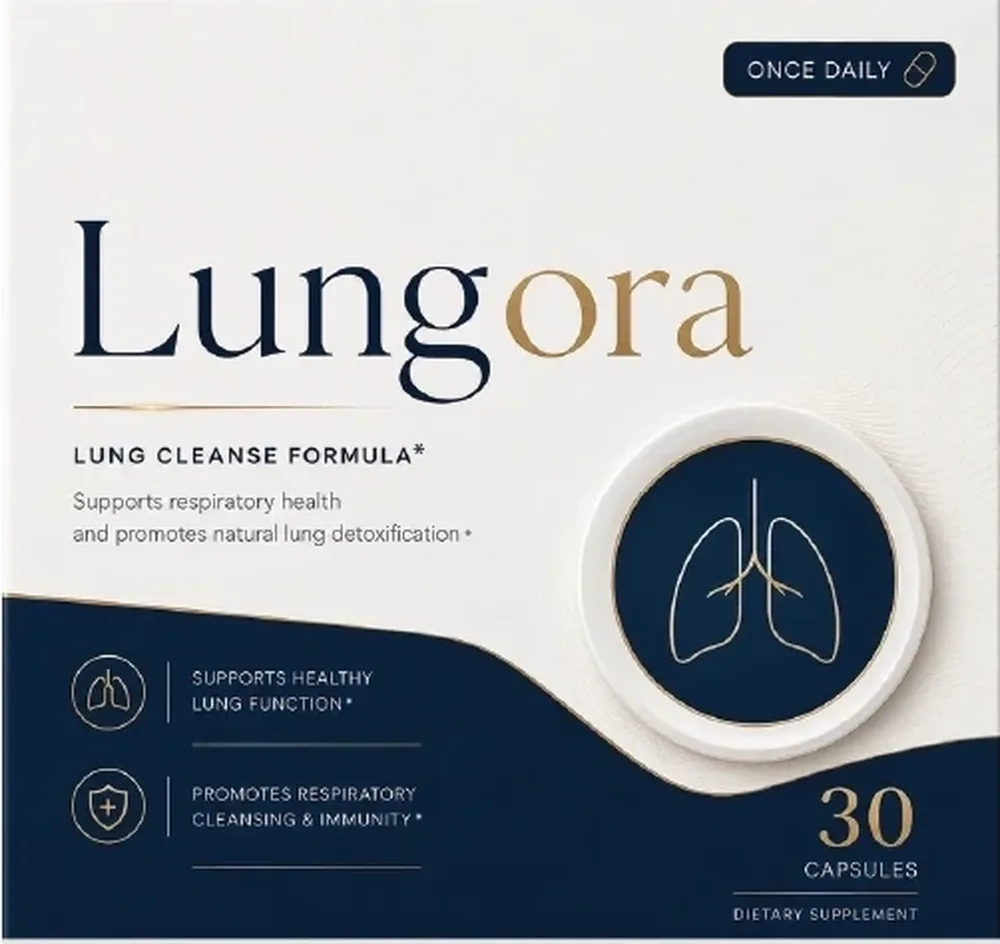
Lungora is one capsule a day with a 60-day return window. The checkout shows the live price and the guarantee in the seller's words.
Lungoraformula earns a commission when you order through this link. It does not change your price. Questions first? The FAQ page may help.